 “Proximity alone isn’t enough. Meaningful relationships across race grow when people share experiences, values, and interests.”
— Andre M. Perry
Recent research by Andre M. Perry at the Brookings Institution highlights something our community has long understood: meaningful relationships across race don’t happen by accident. In his analysis of how Americans experience interracial interactions, Perry finds that proximity alone is not enough. Lasting cross-racial friendships develop when communities intentionally create opportunities for connection around shared values and interests. His findings and policy recommendations echo the principles at the heart of the South Orange/Maplewood Community Coalition on Race’s work for more than 25 years. They also reinforce the story told in the recent Progressive magazine feature More Than Neighbors by journalist Tina Kelley, which explores how our community has worked intentionally to build relationships and sustain integration over time.
In his Brookings article, We asked Americans how they felt about their interracial interactions. The answers may surprise you, Perry discusses survey findings suggesting that many people value and seek meaningful connections across racial lines, even as public discourse often paints a far more divided picture.
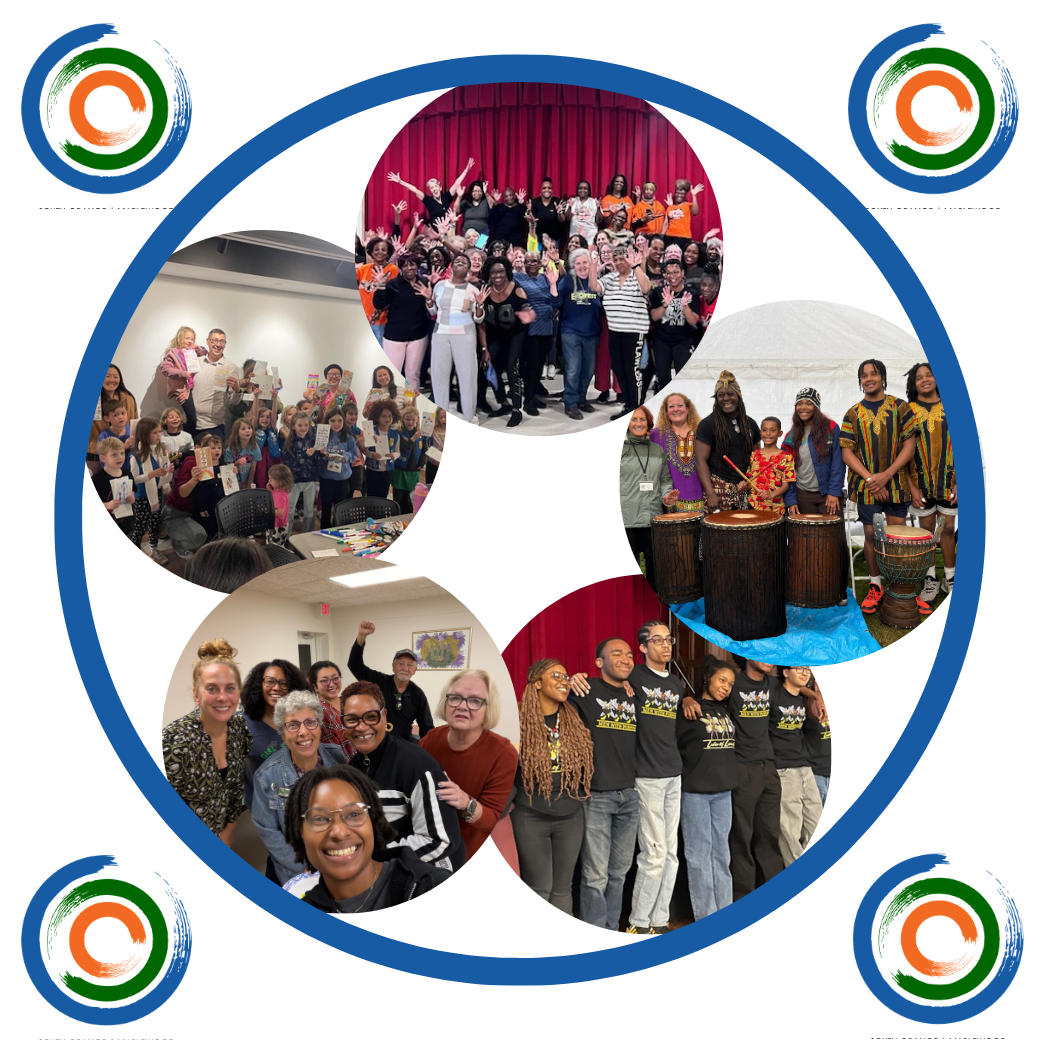
These findings resonate deeply with the mission and work of the Community Coalition on Race. Programs like Integration Through the Arts, SOMA Neighbors Connect, the Dr. King Observance, and the Luminary Project are grounded in the belief that relationships develop when people come together intentionally around shared interests and common purpose. While these gatherings may be modest in size, they provide ongoing opportunities to build trust, understanding, and friendship.
Perry’s policy recommendations also reflect long-standing priorities of the Coalition’s work: supporting integrated housing and schools, confronting structural inequities, and advancing anti-racism efforts that strengthen communities.
His research also highlights an important distinction between the way interracial relationships are often portrayed in media and political commentary and what people actually report experiencing in their daily lives. Sharing this kind of information matters. When people see examples of genuine connection, it can challenge narratives of inevitable division and reinforce the possibility of building racially inclusive communities.
Taken together, the Brookings research and our community’s experience point to the same conclusion: building relationships across difference does not happen by accident—it requires intention, opportunity, and a shared commitment to community.
Showing 1 reaction
Sign in with
Facebook Twitter